Why Process Matters More Than Vehicles in Refrigerated Transport
Many customers evaluate a refrigerated transport provider on truck type and price alone. In practice, what actually determines product quality is the detail of the process: whether the compartment was pre-cooled, whether the loading order was correct, how long the doors stayed open, whether the store had a receiving space ready, and whether temperatures were recorded and can be reviewed. Every link in the cold chain must be temperature-monitored throughout so that food remains stored at its correct temperature, with deviation only within permitted limits that do not affect safety or quality.
Lily Transport Company Limited has operated since 2001, and we have distilled more than two decades of practical experience into a standard operating procedure covering five service types: local delivery, airport and port pick-up, cold store collection, refrigerated and non-refrigerated container haulage and devanning, and cold and ambient storage. We also build a proactive logistics workflow around each customer's business needs, so goods arrive at the right place on time and logistics headaches are minimised.
This page sets out our operating standards step by step. To review the services and vehicle types available, see Refrigerated Transport Services. For our company background and team experience, visit About Us.
Five Service Workflows
From local store delivery through to container haulage and storage, each of the five common workflows has its own operational priorities.
STEP 1 Professional Local Delivery Service
Covering stores, restaurants, hotels, schools, factories and warehouses across Hong Kong Island, Kowloon and the New Territories. We build routes around district, time slot and store receiving rules, supporting multi-drop delivery and fixed-route replenishment.
Operational priorities: confirm the loading environment and available parking at each drop point in advance; determine loading order by delivery sequence so the first drop sits nearest the door; notify stores of arrival times to reduce vehicle waiting.
STEP 2 Airport & Port Collection
Vehicles scheduled to designated cargo terminals, container ports or airport areas according to flight or vessel schedules, handling imported frozen food, seafood, pharmaceutical samples and other temperature-controlled cargo.
Operational priorities: verify collection documents, manifests and actual piece counts; confirm the temperature band and load immediately into a pre-cooled compartment; minimise exposure to ambient conditions; deliver directly to the customer's warehouse or store, or transfer into cold storage pending distribution.
STEP 3 Collection from Cold Stores
Collection from third-party cold stores or public cold storage facilities nominated by the customer, working around each facility's despatch windows and dock arrangements to move goods on to stores or other warehouse locations.
Operational priorities: arrive within the booked window to avoid queuing; verify outbound documents, batch numbers and shelf life data; load at a temperature-controlled dock; record compartment temperature on departure as the handover reference.
STEP 4 Refrigerated & Non-Refrigerated Container Haulage and Devanning
Arranging tractor units to collect refrigerated or dry containers, transporting them to the customer's nominated location or our own facility, then devanning, unloading and either sorting into storage or transferring directly onto delivery vehicles.
Operational priorities: maintain reefer power supply and set-point temperature throughout haulage; confirm labour, dock and storage space are ready before devanning; move goods into storage by temperature band immediately to avoid extended time on the dock; arrange empty container return on completion.
STEP 5 Cold & Ambient Storage Services
Three storage environments covering frozen, chilled and ambient goods, supporting short-term overflow storage, peak season buffering and long-term fixed positions, and combinable with picking, sorting and packing operations.
Operational priorities: zoned storage by temperature band, with raw and cooked goods and different product categories kept separate to avoid cross-contamination; stacking arranged so airflow paths stay clear; batch records maintained to support first-in-first-out; all inbound and outbound movements recorded.
Full details of each service and the vehicle types available are set out in Our Fleet and Ten Logistics Services.
Eight-Step Refrigerated Transport Procedure
From customer enquiry to signed handover, every step follows a defined standard with records maintained throughout.
STEP 1 Requirement Assessment & Temperature Band Confirmation
On receiving an enquiry we first establish six basics: cargo type, temperature requirement, pieces or pallets per trip, collection and delivery addresses, number of drop points and frequency, and preferred delivery window including any store receiving restrictions.
Why the Temperature Band Comes First
The temperature band determines the vehicle, the pre-cooling time and the loading method. Frozen food is best stored at minus 18 degrees Celsius or below to maintain quality, while potentially hazardous food must be kept at or below 4 degrees Celsius during transport. Where a consignment mixes different temperature requirements, this is the step at which we decide between zoned placement, separate vehicles or split trips.
STEP 2 Quotation & Service Model Confirmation
We provide a clear quotation based on temperature band, vehicle tonnage, number of drop points and districts, loading and waiting time, whether a tail lift or manual handling is needed, and any additional service requirements, then help select the right pricing model.
Choosing Between the Three Models
Variable volumes or a first trial run suit ad hoc pricing. Bulk or high-value cargo that should not be co-loaded suits a dedicated vehicle. Customers on daily fixed routes with stable volumes suit a monthly contract, where a dedicated vehicle and driver make handover smoother. See Pricing Models for a full comparison.
STEP 3 Vehicle Scheduling & Route Planning
Vehicles are assigned by cargo volume, pallet count, street width at the delivery point, parking restrictions and dock availability, avoiding the situation where an oversized truck simply cannot reach the site and the delivery fails.
Three Considerations in Route Building
First, store receiving windows, since arrival must fall inside the permitted period. Second, temperature priority, placing frozen and highly sensitive goods earlier in the sequence. Third, traffic timing, avoiding peak congestion to reduce time spent on the vehicle.
STEP 4 Compartment Pre-Cooling (The Critical Step)
Before dispatch the refrigeration unit is started and the compartment brought down to its target temperature, with loading beginning only once the temperature has stabilised. The unit is not switched off during loading, and compartment temperature is confirmed again once loading is complete.
The Consequence of Insufficient Pre-Cooling
Cold chain failure most often occurs when goods are loaded before the compartment has cooled. The correct practice is to bring the interior down to its set point and let it stabilise before loading, and never to switch off the refrigeration unit while loading is in progress. International cold chain best practice also recommends running the refrigeration unit on high-speed cool for at least around 20 minutes before collecting a load, together with an automatic pre-trip test.
Our practice: pre-cooling and a refrigeration unit check are completed before every dispatch, and handling staff are only instructed to begin loading once the compartment has reached its set temperature.
STEP 5 Loading, Placement & Temperature Recording
Loading order and placement directly affect temperature uniformity. We load in the sequence frozen first, then chilled, then ambient, with frozen goods placed furthest inside, and ensure the stack does not obstruct the cold air circulation path.
Key Loading Practices
Hydraulic tail lifts and pallet equipment speed up handling and shorten the time doors stay open. Frozen products are not over-stacked, which would cause localised thawing. Different temperature bands are placed in separate zones. Returns are kept apart from outbound cargo to prevent mixing and cross-contamination.
Record keeping: compartment temperature is recorded before and after loading, and delivery note items and piece counts are verified, providing the reference for later handover and investigation. Industry practice likewise recommends checking and recording the product temperature of chilled and frozen goods before loading and before unloading.
STEP 6 In-Transit Monitoring & Contingency
Compartment temperature is monitored continuously during the journey while GPS tracks vehicle position and delivery progress. The entire fleet is GPS-equipped, so customers always know where their cargo is.
Handling Three Common Exceptions
On a temperature anomaly we notify dispatch and the customer immediately, and depending on the situation adjust the refrigeration setting or prioritise unloading at the nearest drop point. On traffic delay we notify the store early and revise the delivery sequence. Where a store is not ready to receive, goods stay inside the cold compartment rather than sitting on the dock, and the customer is informed so alternatives can be arranged.
STEP 7 Delivery Handover & Signature
On arrival, handover follows each store's receiving rules: items and quantities verified, temperature display checked against documentation, unloading completed quickly so goods can be moved into the store's cold room, and signature records completed.
How Stores Can Speed Up Handover
Where a store clears space in its chilled and frozen rooms in advance and has staff ready at the agreed time, unloading time falls substantially and frozen products go straight into storage, reducing the opportunity for temperature to rise.
Documentation: delivery notes, goods receipt notes, signature records and pallet handover records are all retained for customer reconciliation and investigation. Food businesses are likewise expected to keep records showing the dates, descriptions, quantities and sources or destinations of supply for specific foods for a defined period, readily available for inspection on demand.
STEP 8 Returns Collection & Reporting
When a store hands goods back, items and quantities are recorded on the spot, stored in the compartment at their original temperature band and kept separate from outbound cargo, then transported to the designated warehouse or customer with a handover record provided, and exchange redelivery arranged where required.
Continuous Improvement
We review delivery reports, exception cases and route arrangements with customers periodically, identifying routes that are consistently delayed, stores where vehicles routinely wait, or vehicle assignments that do not fit, and refining the distribution plan for the next period. This forms part of our after-sales support.
Temperature Standards & Operational Reference
Different products carry different temperature requirements. The tables below summarise common bands and their operational priorities for customer reference.
| Band | Temperature Range | Common Cargo | Operational Priorities |
|---|---|---|---|
| Frozen | -18°C or below | Frozen meat, seafood, ice cream, dim sum | Thorough pre-cooling, loaded first and placed innermost, avoid over-stacking that causes localised thawing |
| Chilled | 0°C to 4°C | Fresh meat, dairy, produce, fresh-cut items | Keep temperature stable to prevent freezing or warming; separate raw and cooked goods |
| Controlled Ambient | Approx. 15°C to 22°C | Chocolate, bakery inputs, certain beverages | Avoid direct sunlight and prolonged stops during peak heat |
| Ambient | Environmental | Dry goods, canned items, packaging materials | Loaded last; focus on moisture protection, crush prevention and secure strapping |
Hong Kong's food hygiene code is explicit on this point: when transporting potentially hazardous food, the temperature must be kept at or below 4 degrees Celsius or at or above 60 degrees Celsius, food that should be transported chilled must remain chilled throughout, and vehicles fitted with refrigeration equipment should preferably be used for frozen potentially hazardous food.
Six Causes of Cold Chain Failure & Our Controls
| Cause | Consequence | Our Control |
|---|---|---|
| Loading before the compartment is pre-cooled | Cargo begins warming the moment it is loaded | Pre-cooling and refrigeration checks completed before dispatch; loading only once stable |
| Frequent or extended door openings | Cold air loss and surface thawing | Multiple cartons carried per trip, door-open time minimised, tail lift speeds handling |
| Incorrect loading order or mixed bands | Some products fail to reach required temperature | Frozen then chilled then ambient, with zoned placement or separate vehicles |
| Stacking blocks the airflow path | Uneven compartment temperature and localised warming | Stacking arranged along the airflow path with circulation space retained |
| Traffic delays | Uncertain arrival times and extended time on the vehicle | Real-time GPS monitoring, early notification and delivery sequence adjustment |
| Store not prepared to receive | Goods left on the vehicle or on the dock | Arrival time notified in advance; goods held inside the cold compartment while waiting |
If your products carry specific temperature or food safety requirements, please raise them at the quotation stage and we will build the corresponding checks and records into the workflow. Please contact our logistics team for details.
Process Explained: Proactive Logistics Built Around You
Lily Transport ensures goods arrive at the right place on time while minimising your logistics headaches. Beyond that, we build a proactive logistics workflow around each customer's business needs. Rather than waiting passively for each order before assigning a vehicle, we learn your replenishment patterns, peak season profile and store characteristics, and arrange vehicles and labour ahead of time.
Three Practical Elements of Proactive Logistics
- Fixed routes and dedicated drivers: drivers learn each store's receiving location, window and handover rules, removing the need to explain them each time.
- Advance deployment for peak season: expected volumes are reviewed with you before festive and peak periods, with vehicles and labour reserved so you are never left without capacity.
- Regular report reviews: delays, exceptions and waiting time are reviewed together, and routes, windows and vehicle assignments adjusted step by step.
What Customer Cooperation Delivers
Where customers share despatch plans in advance, consolidate receiving windows and keep chilled and frozen space free at stores, overall delivery efficiency typically improves noticeably and cold chain risk falls substantially. We are glad to review the workflow with you at the start of a relationship to identify the areas that are easiest to improve.
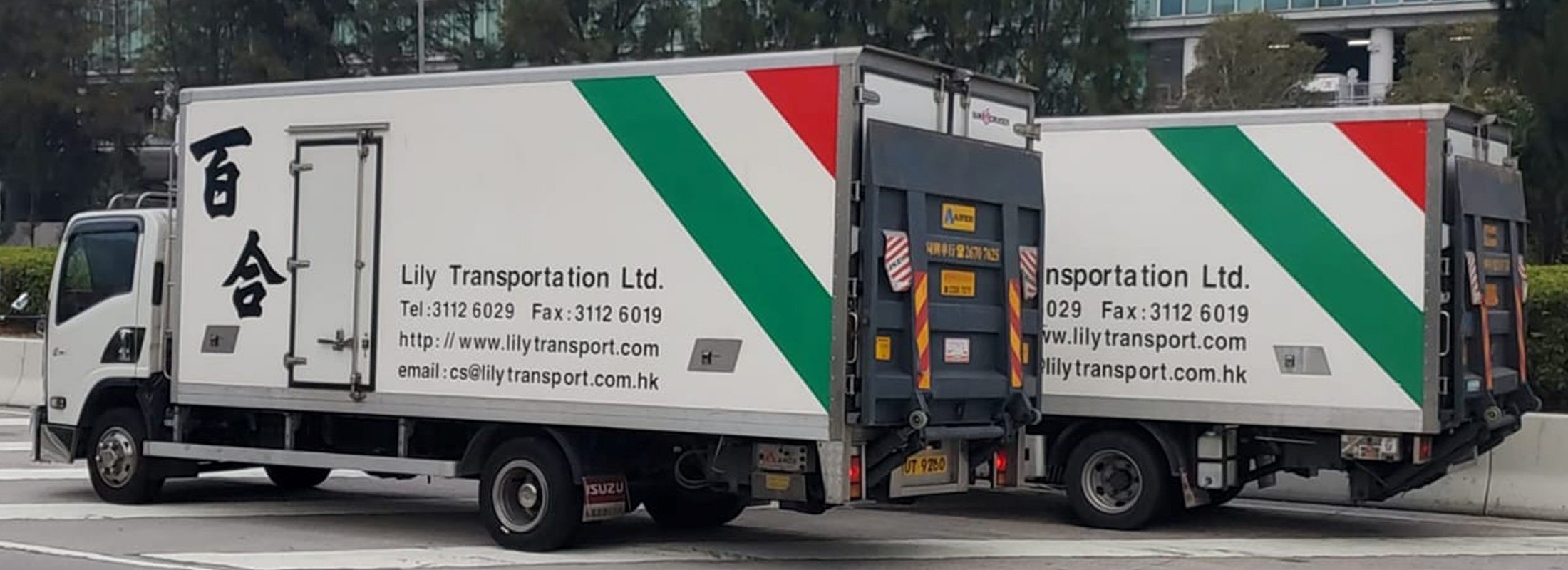
In Practice: Workflows by Customer Type
The same SOP applied to different industries produces different priorities and scheduling.
Daily Ingredient Delivery for Chain Restaurants
Challenge: many outlets, small quantities per outlet but a wide item range, and delivery must land before opening.
Workflow: picking and store-level sorting completed the previous evening, pre-cooled dispatch at dawn, delivery sequenced by opening time from furthest to nearest, with handover recorded at each store and one vehicle completing multi-outlet replenishment.
Bulk Despatch for Frozen Meat Wholesalers
Challenge: high pallet volumes with no tolerance for fluctuation at -18°C.
Workflow: 16 or 24-tonne reefers handle the trunk leg, loading at a temperature-controlled dock with temperature recorded on departure, then 5.5-tonne trucks distribute by zone to downstream customers.
Morning Market Delivery for Seafood Suppliers
Challenge: extremely tight timing, with even slight warming affecting appearance.
Workflow: overnight collection shift, compartment pre-cooled, highly sensitive products placed first in the delivery sequence, and stop time at each point kept short to meet morning market windows.
Mixed-Temperature Replenishment for Supermarkets
Challenge: frozen and ambient on one vehicle, with fixed dock windows that must be rebooked if missed.
Workflow: zoned loading by temperature band, arrival within the booked dock window, and unloading that handles frozen products first so they go straight into storage before ambient goods are processed.
Order Delivery for Fresh E-Commerce
Challenge: fragmented orders, customer-specified windows and a relatively high return rate.
Workflow: insulated packing after picking, sorting by district, time-slotted delivery, and returns collected on the same trip with returned goods kept separate inside the compartment.
Devanning & Storage for Imported Containers
Challenge: devanning is the point in the cold chain where cargo exposure risk peaks.
Workflow: reefer unit kept running and at set point during haulage, labour, dock and storage positions confirmed ready before devanning, goods moved into storage by band or transferred directly onto vehicles, and empty container return arranged.
To see how customers in your sector work with us, please visit Partners.
Refrigerated Transport Process FAQ
The ten process and temperature control questions customers ask most.
Contact Lily Transport to Arrange a Trial Delivery
Our professional logistics team is available 24 hours a day. Tell us your cargo temperature, volume and delivery window and we will arrange the right vehicle and workflow.
WhatsApp Us Call Us